

Botox and FillersIn Hollis, NH
Your dentist can offer more than just a beautiful smile. We also provide therapeutic and cosmetic Botox and dermal fillers to help relieve facial pain and tension, soften fine lines, enhance your smile, and restore natural facial volume—delivering balanced, refreshed results with a precise, medical approach.
Botox & Fillers: Aesthetic and Therapeutic Benefits
Maybe you’re looking to refresh your appearance and restore a youthful glow—or perhaps you’re seeking relief from TMJ pain and facial tension. Botox and dermal fillers are non-surgical treatments that smooth fine lines, restore lost volume, and enhance facial harmony. These precise, quick, and effective treatments work by relaxing overactive muscles and replenishing volume, helping you look refreshed while also addressing functional concerns like jaw discomfort and muscle strain.
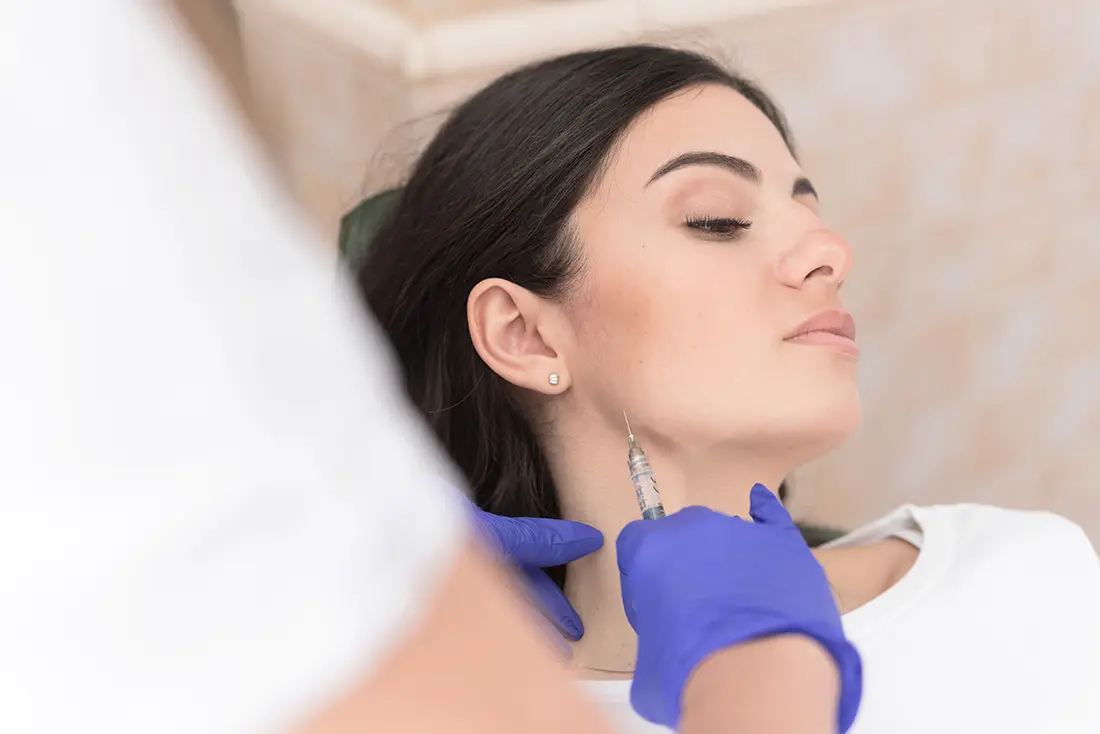

The Benefits of Botox & Fillers
Refining Overactive Facial MusclesBotox
Precisely relaxes overactive facial muscles that contribute to jaw clenching, facial tension, headaches, and TMJ-related discomfort—providing therapeutic relief while maintaining natural expression.
Gummy Smile Enhancement
For patients whose smiles show excessive gum tissue, Botox can gently relax the upper lip to create a more balanced, confident smile—without surgery or permanent alteration.
Restoring Facial Balance & Aesthetic Harmony
Botox can be strategically placed to soften and rebalance facial movement in key areas such as the forehead, brows and brow center, and crow’s feet around the eyes. It may also be used to subtly refine concerns like a slight nasal tip drop, smoker’s lines, or even a downturned smile—enhancing symmetry while preserving natural expression.
Restoring Volume & Smile Enhancement with Fillers
Fillers can subtly enhance lip shape and volume while also improving the appearance of black triangles between the teeth and gums—creating a more balanced, natural-looking smile.
Our Difference
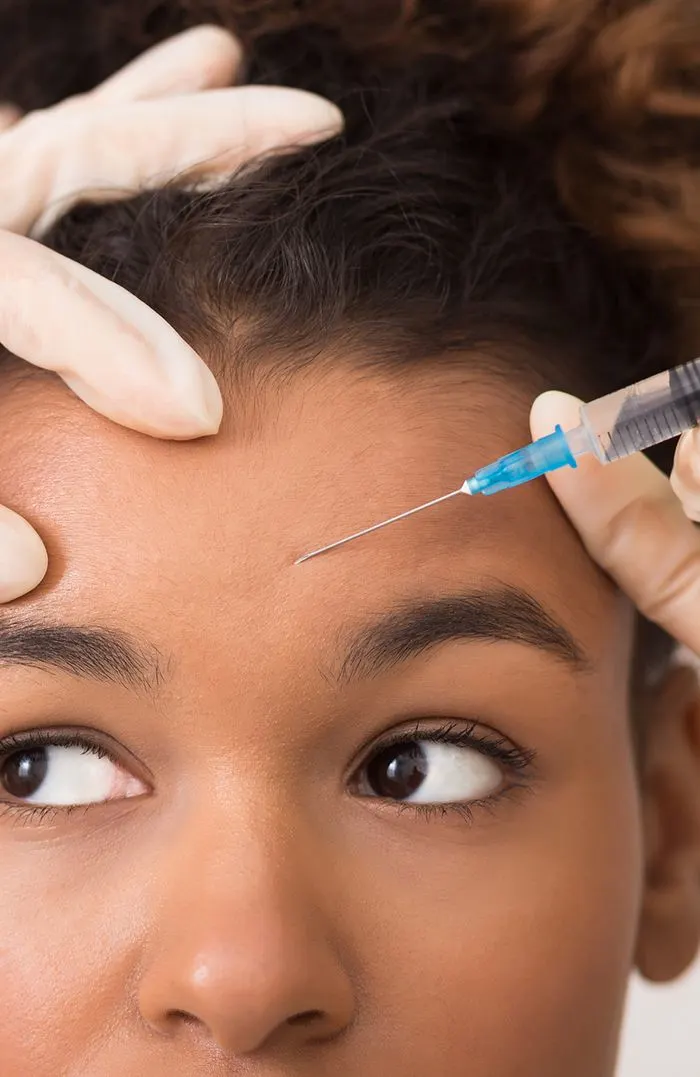
Facial Anatomy Expertise
With advanced training in facial anatomy, muscle function, and symmetry, your dentist brings a highly precise approach to aesthetic treatments. This deep understanding allows for precise, controlled Botox and filler placement—enhancing results while preserving natural movement and expression.
Smile-Centered Aesthetic Planning
Unlike traditional cosmetic providers, we evaluate Botox and fillers in relation to your smile, bite, and facial dynamics. Every treatment is planned to complement your dental and facial aesthetics—not work against them.
.webp)
Clinical Precision & Safety
All treatments are performed in a medical setting using FDA-approved products, conservative dosing, and evidence-based protocols—prioritizing safety, comfort, and predictable outcomes.
The Botox & Filler Treatment Process

Our Dental Anesthesiology Specialist
Get to know Dr. Lily Hu
Lily Hu, is the Director of Anesthesia and Pain Control and Assistant Professor at the Department of Oral and Maxillofacial Surgery at Tufts University School of Dental Medicine, where she teaches all anesthesia-related curriculum for pre-doctoral, postdoctoral, and continuing education level students.
Dr. Hu earned her DMD degree from Tufts University School of Dental Medicine and completed her dental anesthesiology residency at Stony Brook University Hospital in New York. She is a diplomate and a board director on the American Dental Board of Anesthesiology. Her clinical practice involves providing all levels of anesthesia care to pediatric, special needs, and adult dental patients in dental offices and dental school clinics throughout New England region.
In addition, she is a visiting lecturer and clinical instructor at Harvard School of Dental Medicine. Dr. Hu lectures locally and nationally on sedation, general anesthesia, and emergency management topics.
Education:
- BS, Cellular and Molecular Biology, University of Michigan, United States
- DMD, Tufts University School of Dental Medicine, United States

FAQs
Frequently Asked Questions
Check out these frequently asked questions, or call us to speak with our team.
Neuromodulators, including options such as Botox® and Xeomin®, work by limiting nerve communication to specific muscles. This controlled relaxation reduces dynamic wrinkles, enhances facial symmetry, and may also help address muscle-related concerns such as jaw tension or clenching.
Dermal fillers restore lost volume and refine facial features by gently plumping targeted areas. Common uses include lip enhancement, smoothing lines around the mouth, and addressing select smile-related concerns such as black triangles between the teeth and gums—creating a more harmonious, refreshed appearance.
Neuromodulator therapy (Botox or Xeomin) is considered safe when performed by a trained and experienced medical professional. As with any injectable treatment, temporary side effects may occur, including mild redness, swelling, or bruising at the injection sites. A thorough medical history review and discussion of current medications are essential to ensure treatment is both safe and appropriate for each patient.
